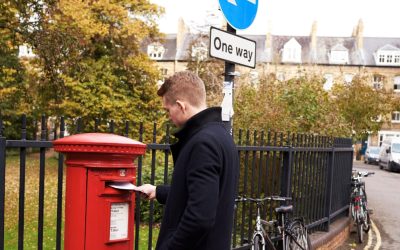
Ever stood in front of a parcel box or Post Office counter and asked yourself: “Can I actually send this?” You’re not alone. Whether you’re mailing a birthday present, running a small business, or just trying to get that bottle of shampoo to your cousin in Cardiff, knowing what you can and can’t send in the UK post can save you a lot of hassle.
From food to medicine, batteries to perfume, this guide breaks it all down. We’ve also included answers to some of the most searched-for questions around Royal Mail’s prohibited items, and even a few bizarre things people have managed to post over the years. Let’s get stuck in.
So, What Can You Send in the Post?
Let’s start with the good news. The UK’s postal system is pretty flexible. Most everyday items are perfectly fine to send, as long as they’re packaged properly and not on a restricted or prohibited list.
You can safely post things like:
- Clothes
- Books and documents
- Non-perishable food
- Small electronics (more on batteries later)
- Gifts, household items, and personal belongings
If it’s safe, legal, and not likely to leak, explode, or offend, it’s probably okay to send. But of course, there are exceptions.
What Can’t You Send in the Post?
Unfortunately, not everything makes the cut. Royal Mail (and most couriers) have a firm list of prohibited items – these are things you absolutely can’t send under any circumstances.
This includes things like explosives, radioactive materials, petrol, illegal drugs, and live animals. Some are obvious, but others might surprise you, such as certain types of batteries or even some nail polish removers.
You can view the full list of prohibited and restricted items here, but the key point is: if it’s dangerous, flammable, corrosive or illegal, don’t post it.
Can You Send Medication in the Post?
Yes, you can, but there are rules.
If you’re sending over-the-counter medication like paracetamol or cold remedies within the UK, you’re good to go. Just make sure it’s well-packaged and sealed.
You can also mail prescription medicines in the UK, though you should only send them to people legally entitled to have them for scientific or medical purposes. Posting medication abroad is trickier, as this would then depend entirely on the destination country’s laws. Some countries might confiscate it at customs, even if it’s legal in the UK.
And no, illegal drugs are not allowed. Ever.
Nor can you send clinical and medical waste, like used swabs, or expired medication.
Can You Post Tobacco?
You can send tobacco products like cigarettes and cigars within the UK, but only if you’re following UK law. That means proper age restrictions, correct packaging, and no tax dodging. Posting tobacco overseas is again more complicated. You’ll need to check the laws in the destination country, and some couriers won’t handle tobacco at all.
Can You Post Batteries?
This one catches a lot of people out. So here are the details:
- Loose lithium batteries? Big no. These are classed as dangerous goods.
- Lithium batteries inside a device (like a phone or laptop)? That’s usually okay, provided it’s properly packaged and protected from short-circuiting.
- Alkaline batteries (AA, AAA), gel cell batteries and sealed lead-acid batteries? These are generally fine in small quantities.
The maximum net quantity of cells or batteries is 5kg per package, and the lithium content mustn’t be more than 1g per cell or 2g per battery.
Still not sure? It’s always safest to check the latest Royal Mail battery guidelines.
Can You Post Liquids?
Yes, but with care.
Non-hazardous liquids like shampoo, sauces, or skincare can be posted in the UK, as long as they’re packaged in leakproof containers and cushioned to prevent breakage. Perfume and aftershave are okay too, but only in small volumes (usually 150ml or less per bottle). These items should also be in their original retail packaging, and if you’re sending glass bottles, be sure to use sufficient cushioning material.
Hazardous liquids like bleach or lighter fluid? Definitely not allowed.
Can You Send Food?
You can post most non-perishable food items, like chocolate, biscuits, tea, or even vacuum-sealed meats, provided they don’t require refrigeration and are packaged well. This makes food hampers, snacks, and sweets a popular choice for gifts.
What you can’t send easily: fresh dairy, anything frozen, or food that could spill, spoil or leak in transit. These items are not just high risk – they often breach postal safety regulations. Sending them could result in delays, disposal of your parcel, or even damage to other people’s mail.
If you want to send food abroad, it’s important to be aware that this opens up a whole new layer of regulation. Many countries have strict customs laws around food imports. Even sealed products might be confiscated or rejected depending on their contents. Before sending anything overseas, check the destination country’s rules, and always declare food items clearly on customs forms.
Can You Post Animal Remains?
Yes, you can. You might be surprised that this question is being asked and answered, but there are some strange things that go through the post, and that includes the cremated remains of animals. That said, the volume of ashes per item must not exceed 50g and must be placed in a sift-proof container that is securely closed. The container should be tightly packed in a suitable outer container and cushioned to prevent damage during transit.
The Weirdest Things People Have Posted
People have tried to send some truly strange stuff through the post. While we’ve written an entire blog dedicated to this strange topic, here are a few real-life examples to give you the picture:
- A prosthetic leg
- A coconut (no packaging, just stamps)
- A potato with a message written on it
- A piñata stuffed with sweets
- A wheel of cheese
While it’s always fun to hear these stories, it’s best to stick to what’s safe and allowed. A rogue root vegetable might make it through the system, but we wouldn’t recommend it!
How to Pack Your Parcel Safely
No matter what you’re sending – food, gifts, documents, or something a bit more unusual – good packaging is essential. It protects your item during transit and helps ensure it arrives safely, intact, and without delays.
Of course, if you’ve partnered with a direct mail house or are outsourcing your packaging and posting, businesses like bakergoodchild will handle all this for you. However, if you’re handling it yourself, here’s how to get it right:
1. Choose the Right Outer Packaging
- For most items, a sturdy cardboard box is best. If the item is small or flat (like a book or certificate), a padded envelope or board-backed envelope will work.
- Avoid reusing old boxes that are worn or flimsy – they’re more likely to split or collapse in transit, and strong outer packaging is crucial.
2. Cushion and Protect the Contents
- Wrap delicate or breakable items in bubble wrap, foam sheets, or scrunched-up paper.
- Make sure there’s no movement inside the box. A good rule: give it a gentle shake – if anything rattles, add more padding.
- For liquids or items that might leak, use a sealed polythene bag inside the packaging to prevent damage to other parcels.
3. Seal the Parcel Properly
- Use strong parcel tape (not sellotape) to seal all open edges.
- Reinforce corners and flaps for heavier boxes.
- Avoid string, ribbon, or elastic bands – they can get caught in sorting machinery.
4. Label Clearly and Correctly
- Write the address clearly in block capitals, ideally using a printed label – the address must be clearly visible, otherwise it won’t end up at the right place, and everything else will be for nought.
- Include a return address, either on the back or inside the package, in case it gets damaged.
- If the item is fragile, add a “FRAGILE” label (but still pack it like it will be dropped!).
5. Check Size and Weight
- Parcel services often charge based on size and weight, so measure accurately and weigh your item before sending.
- Oversized or heavy parcels might need special handling or courier services.
Bonus Packaging Guidelines for Specific Items
- Food: Make sure it’s non-perishable, sealed, and cushioned to prevent crushing or leaking.
- Electronics or batteries: Use original packaging if possible, and separate any batteries.
- Documents: Use a board-backed envelope marked “DO NOT BEND”.
Quickfire Q&A
Don’t have the time to go through this whole article and jumped to the bottom to get the info you need? Here’s everything you need to know, summarised:
What can you not send in the post UK?
Prohibited and restricted items include anything dangerous, flammable, illegal, or restricted by law. This includes fireworks, drugs, corrosives, and live animals.
Royal Mail prohibited items?
Check their full list here, but common ones include petrol, lighters, loose batteries, and weapons.
Can you post medication?
Yes, within the UK – if it’s legal, securely packaged, and going to someone entitled to have it.
Can you post tobacco?
Yes, within the UK (with restrictions). Be careful with international rules.
Can I send batteries in the post?
Yes, if they’re inside a device or of a safe type like AA. No loose lithium batteries.
Can you post liquids?
Yes, but only if they’re non-hazardous and securely sealed.
Can you post food?
Yes, non-perishable, sealed, and well-packaged foods are acceptable for domestic postage.
Need Help with Bulk Mail or Delivery?
Now that you know what you can and can’t post, you need to consider how much of it you’re sending. Managing high-volume or business postage, especially when sending unusual packages, can get very complicated, but it doesn’t need to be.
At bakergoodchild, we specialise in simplifying complex mailing requirements, from bulk mail fulfilment and direct mail campaigns to hybrid mail and postage discounts. Whether you’re sending thousands of letters or need end-to-end support, our expert team can help you stay compliant, cut costs, and improve efficiency.
Explore our postal and printing services or get in touch at 0800 612 1972 today for tailored advice.