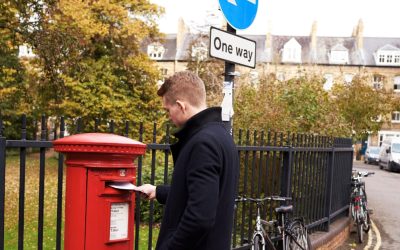
It’s easy to overlook the power of print marketing in today’s digital age. But direct mail marketing, also known as mailshot advertising, is still a highly effective way to reach your target audience and generate leads. In fact, direct mail has a higher response rate than email and digital marketing (source).
This is because mailshots are tangible and create a more personal connection with the recipient. They also allow you to target your audience more precisely and track your results more effectively.
If you’re looking to boost your marketing efforts, mailshots are a great option. But how do you create a mailshot that will get results?
What is a mailshot?
A mailshot is a form of direct marketing that involves sending a large number of identical mailers to a targeted audience.
It is a cost-effective way to reach a large number of people and can be used to promote products, services, or events. Mailshots can be sent via various channels, including email, post, or social media.
This form of marketing allows businesses to deliver their message directly to the recipient, making it a powerful tool for generating leads and driving sales.
Planning your mailshot campaign
Here are some key elements to consider when planning your campaign:
Set your objectives
What do you want to achieve with your mailshot? Do you want to sell a product, generate sales leads, launch a new product or service, drive readers to specific landing pages on your website, or enhance your service to existing customers by giving them up-to-date information? Once you know your objectives, you can tailor your mailshot accordingly.
Understand your audience
Who are you trying to reach? What knowledge do they have about your product or service? Why do they need what you are offering? What do they want to hear about your product or service? What are their likely objections? The more you know about your audience, the better you can tailor your message. Consider the needs of different audiences and different market sectors. You should plan to write separate versions for different groups in your mailing list.
Choose the right format
There are a variety of different forms you can use for your mailshot, including letters, postcards, flyers, and brochures. The format you choose will depend on your objectives and your audience.
Write a brief
The brief should be detailed and specific – who, what, when, where, why?
Making your mailshot stand out
The following tips can help your mailshot catch the reader’s attention and encourage them to take action:
Make it visually appealing. Use high-quality images and graphics to grab attention and make your mailshot stand out from the crowd.
Write compelling copy. Your copy should be clear, concise, and persuasive. Use strong headlines and benefit-driven language to capture attention and keep the reader engaged. A good headline should highlight the main benefit of your product or service.
Personalise your mailshots. Personalisation can help your mailshots stand out and make recipients feel valued. You can personalise your mailshots by using the recipient’s name, mentioning their past purchases, or tailoring the content to their interests.
Content tips for mailshots
Here are some more specific tips for writing compelling mailshot copy:
Identify one major benefit and lead with that. Start by backing your most likely winner. Finding a simple, powerful way to say what your product or service does for people is usually the best approach. If your product is truly unique or exclusive, say so.
Get the reader’s attention. Offer a tangible benefit for a reasonable price. Consider identifying the problem solved by your product, highlighting product features, emphasising low prices, launching special offers or competitions, and using compelling headlines. Send a free sample, if this is relevant and viable. You could include a money-off voucher in a mailshot or highlight a special deal in your email.
Make your offer sound credible. Be direct, enthusiastic and honest. Explain all the good reasons for buying. Anticipate objections and counter them. Make sure your facts and figures are accurate.
Use language your readers will feel comfortable with. Tailor your wording to your audience – natural and relaxed for consumer mailings, more purposeful for business mailshots. Avoid jargon or technical terms, unless you are writing for a technical audience.
Communicating clearly with your audience is crucial. Despite limited space, ensure your vision and offer are effectively communicated to maximize responses and ensure the campaign’s success.
Offer plausible trade-offs. “Buy three, get one free” is attractive. Buyers can see you are trading off price against volume. A no-obligation trial offer of your product or service can be powerful.
Use endorsements and recommendations to back up your claims. Testimonials and positive reviews will boost your success rate. Quotes from press coverage give credibility. Quote reputable studies that support your points.
Spell out the terms of your guarantee. This is especially important if you are targeting new customers.
Focus on the reader and their needs. When you are writing, talk to the reader directly, as “you”.
Use tried and tested words and phrases – award-winning, bargain, big, bright, easy, first, free, improved, love, money, new, now, offer, safe, save, want and, above all, you.
Avoid sounding self-important.
By ending a heading with a question, you can entice readers to read on.
Ask someone who does not know your product or service to check what you’ve written.
Read everything out loud. If it sounds strange or forced, improve it.
Calls to action
- Include a clear call to action. Tell the recipient what you want them to do next, whether it’s visiting your website, calling you, or returning a reply card.
- Make it easy to reply. Include your email address, website address, social media handles, postal address, and phone number. Consider providing a freephone or low call cost number. If you want to encourage customers to visit, provide clear details of your location, including a simple map.
- Offer as many payment methods as possible.
- Consider giving interest-free credit for orders placed before a fixed deadline.
- Offer existing customers their normal credit terms.
Track your results
- It’s important to track the results of your campaign so you can see what’s working and what’s not. You can track your results by using unique codes, phone numbers, or URLs.
- Email newsletters are easy to test. You can quickly see how many emails were opened, how many readers clicked through, and so on.
- Test different versions of your mailing, with different messages, on small samples. Find out what works best before sending to your entire list.
Mailshot examples for different audiences
Here are a few examples of mailshots for different audiences:
1. B2C Mailshot Example
Headline: Enjoy 20% off your next purchase!
Body:
Dear [Recipient Name],
We’re excited to offer you a 20% discount on your next purchase at [Your Company Name].
Simply present this mailshot at our store or use the code [Discount Code] at checkout online.
This offer is valid for a limited time only, so don’t miss out!
Sincerely,
The [Your Company Name] Team
P.S. We’ve also enclosed a free gift with this mailshot. Enjoy!
B2B Mailshot Example
Headline: Streamline your workflow with our latest software solution.
Body:
Dear [Recipient Name],
Are you looking for a way to streamline your workflow and improve efficiency?
Our latest software solution can help. [Software Name] offers a range of features that can help you [list of benefits].
To learn more, visit our website at [Website Address] or call us at [Phone Number].
Sincerely,
The [Your Company Name] Team
2. Mailshot to Existing Customers Example
Headline: Thank you for being a valued customer!
Body:
Dear [Recipient Name],
We want to thank you for being a valued customer of [Your Company Name].
As a token of our appreciation, we’re offering you a 10% discount on your next purchase.
We’ve also enclosed a brochure highlighting our latest products and services.
Sincerely,
The [Your Company Name] Team
P.S. We’re always here to help. If you have any questions, please don’t hesitate to contact us.
In addition to the above, here are some expert tips for creating effective mailshots:
Use strong verbs and powerful adjectives to make your copy more persuasive. For example, instead of saying “Our product is good,” you could say “Our product is amazing!”
Use testimonials and endorsements to build credibility. People are more likely to believe what others say about your product or service than what you say about it yourself.
Make sure your mailshot is easy to read and understand. Use short sentences and paragraphs, and break up your text with headlines and subheadings.
Proofread your mailshot carefully before you send it out. Typos and grammatical errors can make your company look unprofessional.
By following these tips, you can create mailshots that will get results.
FAQs about Mailshots in Marketing Campaigns
What are the benefits of using mailshots in marketing campaigns?
Mailshots offer numerous benefits in marketing campaigns. They enable businesses to target a specific audience and communicate directly. Personalizing mailshots by addressing recipients by name makes the communication more engaging and effective. Mailshots provide a tangible way to showcase products or services, helping prospects understand and engage with the offer. They can be used alongside other marketing channels to create a multi-channel campaign, maximizing reach and impact. This integrated approach ensures your message reaches a wider audience, boosting success chances.
How do I plan a direct mail campaign?
Planning a direct mail campaign involves several steps. First, define your objectives and target audience to tailor the message to recipients’ needs. Next, choose the right mailshot format, such as a letter, postcard, or flyer. Ensure the tone and language align with your brand’s communication strategy. Timing is crucial; avoid sending mailshots on Mondays and busy days for better visibility. Finally, track the mailshot’s response using unique codes, phone numbers, or URLs to monitor the campaign’s progress and adjust as needed.
What are some tips for creating effective mailshot content?
Creating effective mailshot content requires understanding the target audience and campaign objectives. The content should be clear, concise, and compelling, with a strong call-to-action. Use a tone and language that resonates with your audience and communicates your product or service’s value. Visual appeal is crucial; include images and graphics that support the message. Ensure a clear response mechanism, like a reply card or website URL, to facilitate quick responses from recipients.
How do I design and print the mailer for a mailshot campaign?
Designing and printing the mailer is vital for an effective mailshot. The design should match your brand identity and clearly convey your product or service’s value. Use high-quality images to make it visually appealing. Consider the mailer’s size, shape, paper quality, and finish to ensure it stands out. Ensure timely printing and delivery using a reliable fulfillment process. This attention to detail can significantly enhance the effectiveness of your campaign.
Baker Goodchild can help
If you need any help with printing your mailshot, we can help you here at Baker Goodchild. With more than two decades of experience and over 20 million items printed for our clients every year, let us help you to create a mailshot which is memorable for all the right reasons.